
The straightforward answer — and everything else you need before buying a replacement
April 2026 · 8-min read
The short answer is: no — sun visors are not universally interchangeable. Most are engineered specifically for a vehicle’s make, model, year, and trim level. But “universal” products do exist, and knowing which type you actually need can save you time, money, and a frustrating return trip to the auto-parts store.
What Is a Sun Visor, Exactly?
A sun visor is the hinged panel mounted above the windshield on the interior of a vehicle. Its job is simple but safety-critical: block direct sunlight from the driver’s or passenger’s eyes. Most modern cars have two — one on each side — with the rearview mirror positioned between them.
Beyond that basic function, today’s visors can be surprisingly complex. Many include vanity mirrors with LED lighting, integrated HomeLink garage-door openers, wiring harnesses, swivel extensions that pivot toward the side window, and colour-matched fabric or vinyl to complement the headliner. This complexity is exactly why “one size fits all” rarely holds up.
Historically, exterior sun visors were common on early automobiles — the Ford Model T added one in 1924. Interior mounting became standard from 1931 onward, and as windshield angles grew more aggressive for aerodynamics, the exterior “cadet-style” visor disappeared entirely by 1932. Everything since then has lived inside the cabin, attached to the headliner via a mounting bracket.
Why Sun Visors Are Mostly Vehicle-Specific
The biggest obstacle to true universality is the mounting system. Different manufacturers use different bracket designs, screw spacing, and pivot mechanisms. A Honda Civic visor bracket is not the same as a Toyota Camry bracket, and neither matches what you find in a Ford F-150. Even within the same brand, the hardware can change from generation to generation.
Mounting aside, there are three other key variables that make direct swaps difficult:
1. Wiring and Electronics
Visors fitted with vanity lights or HomeLink modules run wiring through the headliner. The connector type, pin layout, and power routing vary by manufacturer. Fitting a lit visor from the wrong vehicle means either leaving the light disconnected or doing custom electrical work — neither is ideal.
2. Size and Shape
Windshield angles, A-pillar geometry, and headliner curvature differ between vehicle platforms. A visor that is a centimetre too wide, too short, or the wrong shape can leave gaps, fail to lie flat against the headliner, or simply hit the windshield when deployed.
3. Interior Colour and Trim
Visors are faced with material — typically fabric, vinyl, or foam-padded board — colour-matched to the headliner. Even when the physical dimensions work, a grey visor in a beige interior looks wrong and can affect resale value.
Sun visors are model-specific components, not generic accessories. The most reliable replacement is always one designed (OEM or aftermarket) for your exact make, model, year, and trim — including whether your vehicle has a sunroof, since that changes headliner geometry.
OEM vs. Aftermarket vs. Universal — What’s the Difference?
Budget-conscious replacements; may lack some OEM features
Universal Replacement
~ Variable; often fits poorly
$15 – $50
Classic cars, kit vehicles, or non-standard setups lacking model-specific options
Universal Extender / Clip-On
✔ Clips onto existing visor
$10 – $30
Supplementing coverage without replacing the whole visor
When "Universal" Products Actually Make Sense
There are two categories where universal sun visor products genuinely shine, and it is worth understanding both clearly.
Universal Visor Extenders
These are clip-on accessories that attach to your existing factory visor to extend its coverage area. They do not replace the visor itself — they augment it. Because they clip onto the edge of whatever visor is already installed, they are inherently adaptable to most vehicles. They are widely available, cost between $10 and $30, and install in seconds. They are an excellent solution when the factory visor simply does not block enough light, especially at low sun angles during dawn or dusk driving.
Universal Replacement Visors for Non-Standard Vehicles
Classic car restorers, off-road build enthusiasts, and owners of kit cars or UTVs often find that no model-specific visor exists for their vehicle. In these cases, true universal replacement visors — typically featuring adjustable mounting brackets with slotted screw holes that accommodate a range of 1.25″ to 2″ hole spacing — are the right tool for the job. High-quality examples are made from aircraft-grade aluminium with optical-quality acrylic lenses and offer UV protection rated at 99.9%. They are built to be adapted, rather than designed to pop directly into a specific mounting point.
External (Deflector) Visors
A separate product category entirely, external sun deflectors are mounted on the outside of the vehicle at the top of the windshield. They work like a visor hood, blocking overhead sunlight before it enters the cabin. Many of these are sold in vehicle-specific versions for popular vans and SUVs, though some manufacturers also offer genuinely universal options for a wide range of vehicles. These do not interact with the interior mounting system at all, making the “universal” label more realistic here than for interior replacements.
Pro Tip: If you are shopping for a replacement visor and the listing does not ask for your vehicle’s year, make, and model — treat that as a red flag. A true vehicle-specific part will always require that information.
Are Driver and Passenger Visors Interchangeable?
Not always, and this is a common source of confusion. On some vehicles, the left and right visors are identical and can be swapped freely. On others, the pivot angle, vanity mirror placement, or overall shape differs between sides. Before swapping your driver-side visor for the passenger-side unit (or vice versa), check your vehicle’s service manual or confirm with the part number from the manufacturer.
One well-documented example: aftermarket suppliers have shipped mismatched left-hand visor units in packaging labelled for the right-hand side. Always verify both part numbers — driver (left) and passenger (right) — are distinctly different before assuming a pair is correct.
How to Find the Right Sun Visor Replacement
The most reliable path is to use your vehicle’s year, make, model, and trim level to filter parts. Most reputable auto-parts retailers and online marketplaces require these details before showing you compatible options. Beyond that, ask these specific questions before purchasing:
Does your vehicle have a sunroof? If so, you need a visor designed for the sunroof trim, as the headliner cutout is different. Using a non-sunroof visor in a sunroof car can result in a poor fit or visible gap.
Does your visor have a vanity light? If yes, select a replacement with compatible wiring. A lit visor without the matching wiring harness will leave you with a non-functional light — or a dangling connector you need to tuck away.
Does your visor have HomeLink or a garage door opener? These modules are integrated into specific visor assemblies and the wiring connection is vehicle-specific. Confirm the replacement supports this feature and uses the correct connector.
What is your interior colour? OEM parts are colour-coded. Aftermarket options may only be available in a limited range of shades. A slight mismatch is often acceptable; a significant one rarely is.
What About Buying a Used OEM Visor?
Salvage yards and online marketplaces like eBay can be excellent sources for OEM sun visors, often at a fraction of dealership prices. The key is verification. When inspecting a used visor, check the pivot stiffness — it should move smoothly but hold any position without drooping. Inspect the plastic mounting base for cracks around the screw holes, which tend to become brittle with age. And confirm the colour is a genuine match, not just described as the same shade.
When sourcing from a salvage vehicle, look up the VIN of the donor car to confirm the year and trim. GM platforms, for example, are known to share visor designs across multiple model years and related vehicles, making cross-compatibility more achievable — but it still requires verification, not assumption.
Cost of Sun Visor Replacement
OEM visors generally run between $50 and $150 per unit, though luxury vehicles can push that higher. Aftermarket vehicle-specific visors typically land between $20 and $60. If you add professional labour, most shops complete the swap in under 30 minutes — so expect no more than one hour of labour cost at whatever your local shop’s rate is.
Many drivers are surprised to find the job can be done at home in under 15 minutes with nothing more than a screwdriver. The visor is held by one or two screws behind a pop-off trim cover. Once the screws are out, the mount slides free, any wiring is disconnected, and the new unit goes in the reverse order. It is one of the friendlier DIY interior repairs on any vehicle.
Frequently Asked Questions
Can I put any sun visor in my car?
No. Sun visors are designed with specific mounting brackets, sizing, and (in many cases) wiring to match a particular vehicle. Using the wrong visor can result in a poor fit, exposed gaps, or a non-functional vanity light. Always buy one specified for your exact year, make, model, and trim.
Do universal sun visors work?
It depends on what you mean. Universal clip-on extenders that attach to your existing visor work well for most vehicles. Full universal replacement visors — designed to install where the factory visor was — often fit poorly in standard cars and are best suited to custom builds, UTVs, or classic vehicles where no model-specific option exists.
Are sun visors from the same brand interchangeable across different models?
Sometimes, but not as a rule. Manufacturers like GM share visor designs across related platforms, and certain model-year ranges within the same model may use identical parts. However, you should always confirm with part numbers rather than assuming a match.
How do I know if my sun visor has a sunroof-specific variant?
Check your vehicle’s parts catalogue or ask a dealer parts advisor. If your car has a sunroof, always specify that when ordering — the headliner and visor dimensions differ, and ordering the wrong version is a common (and easily avoided) mistake.
Can a sun visor be reupholstered instead of replaced?
Yes, if only the fabric or vinyl surface is worn or torn while the internal structure remains intact. A local auto-upholstery shop can often recover the visor to match your interior for a modest cost, and it will look nearly factory-fresh when done.
how to install external sun visor,Sun Visor Installation Guide (Step-by-Step for Popular 4WDs)
Is it safe to drive with a broken or drooping sun visor?
A visor that droops into your line of sight is a genuine safety hazard. If the pivot mechanism has failed and the visor cannot hold its position, it should be repaired or replaced promptly — or tied back temporarily until a replacement arrives. Driving with obstructed vision increases accident risk significantly.
The Bottom Line if Are Sun Visors Universal?
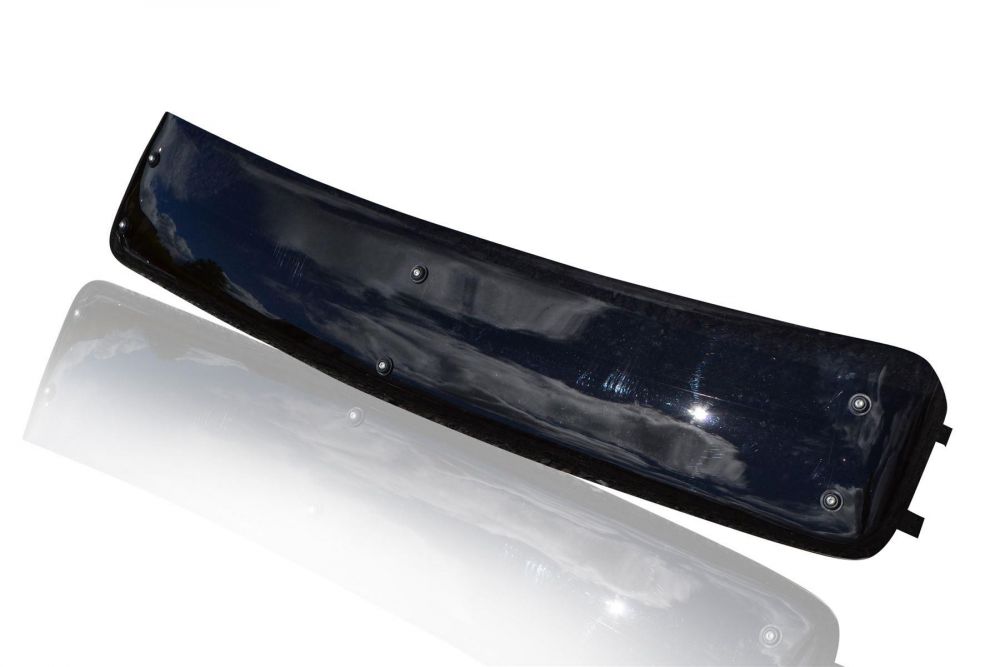
Sun visors are not universal in the way wiper blades or cabin air filters can sometimes be. The mounting hardware, dimensions, electronics, and interior colour make them highly vehicle-specific components. When you need a replacement, the safest and cleanest outcome comes from using a part built for your exact vehicle — OEM from a dealer, a quality aftermarket specific match, or a sourced salvage unit from the same model year.
Universal sun visor extenders, on the other hand, are a genuinely practical accessory that requires no vehicle-specific fitment and can meaningfully improve glare management for almost any driver. If your factory visor leaves low-angle sun getting into your eyes, a $15 clip-on extender is a simple and effective fix.
Know which problem you’re solving, and you’ll know which product you actually need.
Top 10 road trip essentials for Australian Summer
TTop 10 Road Trip Essentials for Australian Summer
Planning a summer road trip across Australia is an experience like no other—endless coastlines, rugged outback landscapes, and vibrant cities. But the Australian summer can be unforgiving, with extreme heat, long distances, and limited services in remote areas. Packing smart isn’t optional—it’s essential. Here are the top 10 road trip essentials to keep you safe, comfortable, and ready for anything.
Top 10 road trip essentials for Australian Summer 4
The Australian sun is intense, especially during peaksummer months. Protect yourself with sunscreen (SPF 50+), sunglasses, and a wide-brim hat.
2. Plenty of Water 💧
Hydration is critical. Always carry more water than you think you’ll need—at least 3–5 litres per person per day. In remote areas, access to clean water can be limited.
3. Portable Cooler or Fridge 🧊
A 12V car fridge or esky keeps drinks cold and food fresh. It’s perfect for long drives between towns where food options are scarce.
4. Navigation Tools 🗺️
While GPS apps are convenient, mobile reception can drop out in rural regions. Download offline maps or carry a physical road atlas as backup.
5. Emergency Kit 🚑
Your kit should include a first aid kit, flashlight, jumper cables, basic tools, and a spare tyre. Roadside assistance isn’t always nearby in the outback.
6. Power Bank & Car Charger 🔋
Keep your devices charged at all times. A high-capacity power bank and dual USB car charger ensure you’re never stranded with a dead phone.
7. Lightweight Clothing & Swimwear 👕
Pack breathable, loose-fitting clothes to stay cool. Swimwear is a must—Australia is full of beaches, rivers, and hidden swimming spots.
8. Snacks & Non-Perishable Food 🍫
Stock up on easy-to-carry snacks like nuts, protein bars, and dried fruit. These are lifesavers on long stretches of road.
9. Insect Repellent 🦟
Mosquitoes and flies can be relentless, especially near water or at dusk. A strong insect repellent will make your trip far more comfortable.
10. Entertainment & Travel Comfort 🎶
Long drives can get monotonous. Prepare playlists, podcasts, or audiobooks. Neck pillows and seat cushions can also make a big difference on multi-hour journeys.
tags: top road trip essentials australia summer, australian summer road trip packing list, what to pack for road trip australia, australia road trip checklist essentials, summer driving essentials australia, long drive essentials australia heat, road trip safety tips australia summer, best gear for australian road trips, must have items for road trip australia, how to prepare for australian summer road trip
Final Thoughts
A summer road trip in Australia is all about freedom and adventure—but preparation is what makes it enjoyable. With the right essentials, you’ll stay safe, beat the heat, and make the most of every kilometre.
Ready to hit the road? Pack smart, drive safe, and enjoy the journey.op 10 road trip essentials for Australian Summer
How to keep your car cool without ac( 10 proven methods)
How to keep your car cool without ac( 10 proven methods) 6
Home › Blog › How to Keep Your Car Cool Without AC
☀️ Summer driving tips
How to Keep Your Car Cool Without AC
📅 Updated May 2026⌛ 6 min read🏮 Written for Australian conditions
A broken or absent air conditioner in an Australian summer is no joke. Car cabin temperatures can spike past 60°C on a hot day — but there are practical, affordable ways to keep things bearable without touching the AC dial.
1. Install a windscreen sunvisor — the single biggest impact
If you only do one thing on this list, make it this. A quality external windscreen sunvisor is by far the most effective way to keep your car cool without AC — and it works whether you’re parked or driving.
Here’s why it works so well: the windscreen is the largest glass surface on your vehicle and faces the sun directly when you’re driving. Without protection, the sun blasts straight through, heating up your dash, seats, and steering wheel and turning your cabin into an oven. An external sunvisor sits above the windscreen on your roofline, creating a permanent shade barrier that blocks direct sunlight before it even reaches the glass.
Unlike internal folding sunshades that you place and remove every time you park, an external windscreen sunvisor is a permanent fitment — bolted or clipped to your vehicle’s roofline so it’s always working, even while you’re driving at highway speeds in the afternoon sun.
💡 Sunvisors.au tip
Our custom-fit external sunvisors are vehicle-specific — moulded for your exact make, model and year for a factory look. They reduce cabin temperature significantly, protect your dash and seats from UV damage, and reduce glare while driving. Browse our full range here →
The difference between a car with an external sunvisor and one without is significant. On a 35°C day, a parked car’s interior can reach 60–70°C within 30 minutes. A sunvisor can cut that substantially, meaning you spend less time with doors flung open waiting for the car to cool before you can even sit down.
2. Park smart — shade and direction both matter
This costs nothing and makes a massive difference. Whenever possible:
A
Park in the shade
Trees, carpark structures, buildings — any shade is better than none. A shaded car can be 20–30°C cooler inside than one parked in direct sun.
B
Face the sun with a windscreen shade
If you’re using an internal folding sunshade, park with your windscreen facing the sun so the shade does its job. Less light enters through the side and rear windows this way.
C
Think ahead about where the sun will be
The sun moves. A shaded spot at 9am may be full sun by 1pm. Park with the afternoon position in mind, especially if you’re leaving your car for several hours.
3. Ventilate before you get in
Don’t just jump straight in and crank the fan — you’ll just be recirculating the 60°C air already trapped inside. Instead:
Open all four doors for 30–60 seconds before getting in. Hot air rises, so opening both a front and rear window on the same side creates a cross-breeze that flushes out the trapped heat fast. If you have a sunroof, crack it slightly while driving at lower speeds to let the hot air escape upward. Once the interior is closer to ambient temperature, close the windows and use the fresh air setting on your vents.
⚠️ Don’t use recirculate mode when the cabin is still hot
Recirculation is great once the car is cool — but if you use it straight away, you’re just pushing hot, stale air around. Start on fresh air (outside) mode first, then switch to recirculate once it’s cooled down.
4. Window tinting
Quality window tint can block a significant portion of the sun’s heat from entering through your side and rear windows. Ceramic tint in particular is highly effective at rejecting infrared heat while maintaining visibility — it’s a one-off investment that pays off every single summer.
In Australia, tint laws vary by state — check your state’s rules on visible light transmission (VLT) percentages before booking. Most states allow 35% VLT on front side windows and 20% on rear windows and the rear windscreen.
Tint works best on the sides and rear of the car. For the windscreen itself, an external sunvisor is far more effective (and legal) than windscreen tinting, which is restricted in most Australian states.
5. Use light-coloured seat covers
Dark leather and vinyl seats absorb heat like crazy on a hot day and can cause genuine burns on bare skin. Light-coloured, breathable seat covers — especially in cotton or mesh fabrics — reflect more heat and allow airflow beneath you. They’re cheap, easy to fit, and make a real difference to comfort on long drives in the heat.
If you have leather seats, seat covers also protect them from the UV degradation and cracking that Australian summers are notorious for causing.
6. Install a solar-powered ventilation fan
Solar-powered car ventilation fans sit in a partially open window and use solar energy to continuously push hot air out of the cabin while you’re parked. They’re available online for as little as $15–$30 and require no wiring or installation — they just clip into the window gap.
They won’t keep your car cold, but they prevent the extreme heat build-up that happens when a car is completely sealed in the sun for hours. Combined with a windscreen sunvisor, a solar fan can make a genuine difference to the temperature you return to.
7. Leave windows slightly cracked when parked
Leaving a 2–3cm gap at the top of each window allows hot air (which rises) to escape rather than building up inside. A sealed car traps heat like a greenhouse; even a small gap breaks that cycle significantly.
Don’t leave gaps wide enough for a hand to reach in. A 2cm crack is enough for airflow while keeping your car secure. Always activate your alarm.
8. Cover your steering wheel
A steering wheel left in direct sun on a 38°C day can become genuinely painful to touch — hot enough to cause burns. A simple steering wheel cover or a small towel draped over it when parked prevents this entirely. Some drivers use a dedicated UV-reflective steering wheel cover that also protects the leather or plastic from long-term sun damage.
Better still, a windscreen sunvisor shades the entire dashboard area including your steering wheel, so you’re not burning your hands every time you get back in the car.
9. Use a wet cloth over the centre vent
A quick and free hack: drape a damp cloth over your central dashboard vent. As air blows through the cloth, it evaporates the moisture and cools the airflow — essentially a DIY evaporative cooling effect. It won’t match AC, but it can drop the perceived temperature by a few degrees.
Keep spare damp cloths in a ziplock bag in your glove box during summer. They dry out quickly, so you’ll need to swap them every 10–15 minutes. Make sure to wash them after use to prevent mildew.
10. Drive smart — use fresh air mode, not recirculate, at first
Most drivers instinctively hit the recirculate button when they get in a hot car. This is counterproductive — recirculate traps the hot air inside rather than drawing in cooler outside air. Start with fresh air (outside) mode at full fan speed with windows down for the first few minutes. Once the interior approaches the outside temperature, switch to recirculate and close the windows to maintain the cooler air inside.
At highway speeds (over 80 km/h), it’s actually more efficient to keep the windows up and use fresh air mode through the vents than to have windows down, which creates drag and can make the interior feel hotter from the rushing warm air.
Quick summary: the most effective methods ranked
1
External windscreen sunvisor
The highest impact, permanent solution. Works while parked and driving. Custom-fit to your vehicle. Shop highwayvisors.com →
2
Park in shade & ventilate before entry
Free, immediate impact. Combine both for best results.
3
Window tinting
One-off investment, effective on side and rear glass. Check state laws first.
4
Solar ventilation fan + cracked windows
Cheap, easy, prevents dangerous heat build-up while parked.
5
Light seat covers + steering wheel cover
Protects you and your interior. Works best alongside the other methods.
Frequently asked questions
How hot can a car get without AC in an Australian summer?
On a 35°C day, a sealed car parked in direct sun can reach 60–70°C inside within 30 minutes. Dashboard surfaces and steering wheels can exceed 80°C. This is why protecting your interior — especially with a windscreen sunvisor — is so important in the Australian climate.
What is the single best thing I can do to keep my car cool without AC?
An external windscreen sunvisor gives the best overall result because it works constantly — both while parked (blocking heat build-up) and while driving (reducing direct glare and solar heat through the windscreen). Combined with parking in shade, it makes a dramatic difference.
Is an external sunvisor better than an internal folding sunshade?
Yes, significantly. An internal folding shade has to be placed and removed every time you park and can only be used when stationary. An external sunvisor is permanently fitted to your roofline, always active, and also provides shade while driving — reducing dashboard heat and driver glare on the road.
How do I keep my car cool without AC while driving?
While moving, the most effective approach is: windows down at low speeds to flush hot air out, windows up and fresh air vents running at highway speeds, and an external sunvisor to block direct windscreen sun. Avoid recirculate mode until the cabin has cooled down to ambient temperature first.
Will these tips work for a 4WD or ute?
Absolutely — in fact, larger vehicles like 4WDs, utes, and trucks benefit even more from external sunvisors because their larger windscreens let in proportionally more solar heat. We stock custom-fit sunvisors for Toyota LandCruiser, Nissan Patrol, Navara, Isuzu D-Max, HiLux, Ford Ranger and many more. Browse the full range →
The #1 way to keep your car cool — a custom-fit sunvisor
Vehicle-specific fit, UV-resistant, 12-month warranty. Ships Australia-wide in 2–4 days.
How External Car Sun Visors Are Saving Australian Drivers from Serious Eye Strain and Fatigue
Driving Into the Sun – How External Car Sun Visors Are Saving Australian Drivers from Serious Eye Strain and Fatigue
Are External Car Sun Visors Legal in Australia?
Are External Car Sun Visors Legal in Australia? Everything You Need to Know About Road Rules and Compliance
Here’s your article transformed into a fully optimized SEO blog post with meta tags, structure, and schema you can paste into WordPress 👇
🚗 Are External Car Sun Visors Legal in Australia?
Australia’s intense sunlight makes driving uncomfortable—and sometimes dangerous—without proper glare protection. External car sun visors (also called windscreen sunvisors) are a popular solution, especially for 4WDs and work vehicles.
But one key question remains:
Are external car sun visors legal in Australia?
The short answer: Yes, but only if they meet specific safety and visibility requirements.
🇦🇺 Understanding Australian Vehicle Laws
Vehicle modifications in Australia are governed by the Australian Design Rules (ADRs).
While ADRs don’t explicitly regulate external sun visors, they strictly control:
Driver visibility
Vehicle safety
Roadworthiness
For example, ADR 11/00 covers internal sun visors and emphasizes safety standards.
👉 This tells us:
Sun visors are treated as safety-related components, not just accessories.
✅ Are External Sun Visors Legal?
External sun visors are generally legal across Australia if they:
Do not obstruct the driver’s view
Are securely installed
Do not create sharp edges or hazards
Do not interfere with vehicle systems
There is no blanket ban—but compliance is essential.
Australian laws are strict about anything that affects your windscreen view.
For comparison:
Full windscreen tint = ❌ illegal
Only a narrow top strip is allowed
✔ Legal visor setup:
Mounted above the windscreen
Blocks sunlight only
Does not enter driver’s viewing area
❌ Illegal visor setup:
Extends too far down
Blocks traffic lights or road signs
Reduces night or rain visibility
🗺️ State-Based Enforcement
Each state (NSW, VIC, QLD, WA, SA) enforces roadworthiness laws, but all follow the same principle:
❗ If it reduces safe driving visibility → it’s illegal
You may face:
Defect notices
Fines
Failed inspections
🔍 External Visors vs Other Sun Protection
1. Windscreen tint
Very restricted
Only top strip allowed
2. Window shades
Rear windows: usually allowed
Front: restricted
Windscreen: not allowed while driving
3. External sun visors
Allowed if visibility is not affected
Must be safely installed
⚠️ When Do Sun Visors Become Illegal?
Even a legal visor can become illegal if:
Installed too low
Modified or extended
Loose or damaged
Creates glare or distraction
💸 Can You Get Fined?
Yes.
If your visor:
Obstructs vision
Fails inspection
Is deemed unsafe
👉 You may receive fines or be required to remove it.
🛠️ Best Practices to Stay Legal
Follow these guidelines:
✔ Use vehicle-specific designs
Ensures proper fit and compliance
✔ Keep above sightline
Never block the road view
✔ Avoid overly dark materials
Too much shading can reduce visibility
✔ Test in real conditions
Check:
Daylight
Night driving
Rain
🚙 Are External Sun Visors Worth It?
Yes—when installed correctly.
Benefits include:
Reduced glare
Lower cabin heat
Improved driving comfort
Better visibility in bright conditions
They are especially popular on:
4WD vehicles
Work utes
Touring vehicles
📌 Final Verdict
✅ External car sun visors are legal in Australia—if they do not affect visibility or safety.
✔ Legal if:
Properly installed
Above driver sightline
Roadworthy
❌ Illegal if:
Obstruct view
Extend into windscreen
Reduce visibility
🧾 Bottom Line
External sun visors fall into a regulated but allowed category in Australia.
👉 Stay within visibility limits 👉 Use quality, well-fitted products 👉 Avoid DIY modifications
Do that—and you’ll stay compliant while enjoying better driving comfort.
External Car Sun Visors for 4WDs and Utes
External Car Sun Visor: Best Picks for 4WDs & Utes
Australia's Toughest Sun Protection for 4WDs & Utes
External Car Sun Visor for 4WDs & Utes
An external car sun visor is the most effective upgrade you can make to beat dangerous windscreen glare on Australian roads. Purpose-built for the tall cab heights and wide screens of 4WDs and utes — fit once, protected for life.
An external car sun visor — also called an exterior windscreen visor, roof-mounted sun deflector, or simply a windscreen visor — is a custom-moulded panel mounted above your vehicle's windscreen along the roofline. It is permanently fixed to the A-pillars using self-tapping screws or model-specific brackets.
Unlike internal clip-on sunshades that block your forward vision and must be removed before driving, an external car sun visor works continuously. It casts a shadow across the critical upper third of your windscreen — precisely the zone where low-angle morning and afternoon sun creates the most dangerous glare for drivers.
"For 4WD owners and tradies who spend long hours behind the wheel, an external car sun visor is the single most cost-effective driver comfort upgrade available. It works every kilometre you drive — not just when parked."
External sun visors are individually manufactured to suit specific vehicle makes and models. This ensures a precise, factory-style fit rather than a generic, ill-fitting product. They are available in two main styles — solid steel and alloy mesh — each suited to different driving environments and aesthetic preferences.
Why Every 4WD & Ute Owner Needs One
6 Proven Benefits of an External Sun Visor
Fitting an external car sun visor to your 4WD or ute delivers measurable, real-world improvements to every drive. Here's exactly what you gain:
☀️
Eliminates Low-Sun Glare
The most hazardous glare occurs when the sun sits just above your windscreen — exactly where your internal visor cannot reach. An external car sun visor casts a permanent shadow across that zone, keeping your forward vision clear during sunrise commutes, dusk drives, and long outback highway runs.
This is especially critical on 4WDs and utes, whose upright, large-format windscreens expose drivers to a wider glare area than standard passenger vehicles.
🌡️
Reduces Interior Cabin Heat
By intercepting solar radiation before it penetrates your windscreen, an external car sun visor measurably reduces cabin temperatures. Your air conditioning runs more efficiently, fuel consumption improves, and your interior is comfortable immediately when you open the door — not after a five-minute cool-down.
🛡️
Protects Dashboard & Interior from UV Damage
Prolonged UV exposure causes dashboard cracking, faded upholstery, and brittle interior plastics. Australia has some of the highest UV radiation levels in the world — according to the Australian Radiation Protection and Nuclear Safety Agency (ARPANSA). An external visor acts as a permanent UV barrier, preserving your resale value and preventing costly interior repairs.
🚗
Works Continuously While Driving
Dashboard sunshades must be removed before every drive. An external car sun visor requires zero daily effort — it does its job 24 hours a day, whether you're parked under a blazing Queensland sun or travelling at 110 km/h on the Stuart Highway. Fit it once, benefit forever.
💧
Deflects Rain When Windows Are Open
The visor's overhang deflects light rain away from the windscreen, letting you crack the windows for fresh air without getting soaked. Particularly useful in tropical and subtropical regions during the build-up season, where brief showers and oppressive heat often occur simultaneously.
🔧
Custom-Engineered for Your Specific Vehicle
Quality external car sun visors are not one-size-fits-all. Each unit is individually manufactured to match the exact curves and dimensions of your specific make, model, and body style. Solid steel versions can be painted to match your factory colour. Alloy mesh variants offer a rugged, industrial look straight out of the box.
Choosing Your Style
Solid vs Mesh: Which External Visor Is Right for You?
When shopping for an external car sun visor for your 4WD or ute, you'll choose between two primary styles. Understanding the difference ensures you get the right product for your driving environment and preferences.
Most Popular
Solid External Sun Visor
Constructed from steel and typically supplied in primer/undercoat, ready for your choice of topcoat colour. Provides complete, zero-transmission blockout across the upper windscreen.
Maximum glare and light blockout
Can be painted to match factory vehicle colour
Extremely durable — engineered for off-road use
Seamless, OEM-style roofline appearance
Ideal for tradie utes and outback driving
Best for intense direct sun environments
Touring Favourite
Mesh External Sun Visor
Built from powder-coated alloy mesh in a mill-finish frame, mesh visors filter rather than fully block light. They maintain better upward visibility — useful for navigating tight tracks and overhangs.
Filtered, diffused shade without full blockout
Better upward field of view for obstacles
Lighter weight than solid steel alternatives
Excellent airflow in tropical climates
Rugged, industrial look for modern 4WDs
Snorkel-compatible versions available
Which should you choose? If you drive long stretches of outback highway under intense, direct sun — go solid. If you frequently navigate bush tracks, low branches, or require clearance awareness — mesh gives you better sky-line visibility while still blocking the majority of harmful glare and UV radiation.
Vehicle Compatibility
External Car Sun Visor Fitment Guide
Our external car sun visors are individually manufactured for specific vehicle models — ensuring a precise, flush fit every time. Below are the most popular 4WDs and utes we stock. Can't find your vehicle? See the FAQ below or contact our team for a custom quote.
Vehicle Make
Model / Series
Visor Styles
Snorkel OK?
Toyota HiLux
Dual Cab Ute — All Series
SolidMesh
Check model
Toyota LandCruiser
70, 79, 80, 100, 200 Series
SolidMesh
Yes — available
Nissan Navara
D40, NP300 Dual Cab
SolidMesh
Check model
Nissan Patrol
MQ, GQ, GU Series
Solid
Yes — available
Ford Ranger
PX, PXII, PXIII Dual Cab
SolidMesh
Check model
Isuzu D-Max
4dr Ute 2012–2020
SolidMesh
Check model
Mitsubishi Triton
ML, MN, MQ Dual Cab
Solid
Check model
Holden Colorado
2012 Onwards
Solid
No
Mazda BT-50
UN, UP, UR Series
Solid
Check model
Ford Falcon Ute
AU, BA, BF, FG Series
Solid
N/A
Isuzu MU-X
2013–2021
Solid
Check model
Toyota Fortuner
AN50, AN60 Series
Solid
Check model
⚠️ Important: Some external car sun visors are not compatible with factory or aftermarket snorkels mounted on the A-pillar. Always confirm suitability by sending photos of your vehicle's pillar area before ordering. Contact us at info@example.com.au.
Fitting Your Visor
How to Install an External Windscreen Sun Visor
Installing an external car sun visor on a 4WD or ute is a manageable DIY task for most vehicle owners. The process typically takes under 90 minutes and requires only basic tools. Here's the step-by-step process:
01
Dry-Fit and Check Clearances
Hold the external sun visor against your vehicle's roofline and windscreen to confirm the fit. Verify there is no interference with any factory snorkel, roof aerial, dashcam mount, or roof rack feet before marking any holes.
02
Mark the Drill Points
Using the visor's pre-drilled mounting holes as a template, mark the A-pillar drill points with a pencil or paint marker. Apply masking tape around the marks to protect the surrounding paintwork. Measure from both sides to confirm symmetry before drilling.
03
Drill Pilot Holes and Fasten
Use the correct pilot bit for your self-tapping screws. Apply a thin bead of silicone sealant to each mounting point before inserting the visor's brackets. Fasten screws firmly — do not over-torque, particularly on aluminium pillars common on modern dual-cab utes.
04
Seal All Penetrations
Apply a quality automotive-grade silicone sealant around all screw heads and mounting brackets to prevent water ingress into the pillar cavity. This step is essential for long-term rust prevention, especially for vehicles used in off-road and wet-weather conditions.
05
Paint Your Solid Visor (Optional)
Solid steel external car sun visors are supplied in undercoat, ready for colour matching. Lightly sand, apply a self-etching primer to any bare metal edges, then topcoat in your vehicle's factory colour. Allow full cure time before driving to avoid paint damage from wind pressure.
Not a DIY person? Professional fitting is available through our network of 4WD accessory specialists across Australia. Ask about fitting when you place your order.
Smart Shopping Advice
Buying Guide: What to Look For
Not all external car sun visors are created equal. Before purchasing, use this checklist to make sure you're getting a product that will last and perform properly on Australian roads and tracks.
1. Vehicle-Specific vs Generic Fit
Always choose an external car sun visor that is manufactured for your exact make, model, and series. Generic "universal" visors rarely sit flush against the roofline, which can cause wind noise, lifting at highway speeds, and poor aesthetics. Vehicle-specific units are precision-fitted — they look factory-installed.
2. Material Quality
For solid visors, look for steel construction with a proper primer finish — not powder coat only. For mesh visors, confirm the frame is extruded aluminium alloy and the mesh is powder-coated for corrosion resistance. Both styles should withstand Australian conditions including salt air in coastal areas and extreme UV exposure in tropical regions.
3. Mounting Hardware
Self-tapping screws should be stainless steel, not zinc-plated
Brackets should be included, not requiring additional purchase
Confirm bracket compatibility with your specific A-pillar profile
Check whether a snorkel-compatible bracket set is needed
4. Supplier Reputation and Warranty
Purchase your external car sun visor from a specialist 4WD accessory supplier — not a generic auto parts marketplace. A reputable supplier will offer fitment advice, confirm suitability for your vehicle, and stand behind the product if issues arise. Ask about warranty terms before ordering.
5. Snorkel Clearance
If your 4WD is fitted with a snorkel — factory or aftermarket — this is the most critical factor to verify. The snorkel's A-pillar mounting bracket can interfere with the visor's left-side fitting. Send photos of your snorkel and pillar area to confirm suitability before purchasing.
6. Painting Service
If you want your solid external car sun visor colour-matched, check whether the supplier offers an in-house painting service. This saves you the hassle of sourcing a spray painter and ensures the visor is correctly primed before topcoating. Many suppliers will accept your factory colour code when ordering.
Common Questions Answered
External Car Sun Visor FAQ
What exactly is an external car sun visor for a 4WD?
An external car sun visor is a custom-moulded panel fitted above your windscreen along the vehicle's roofline. It permanently casts a shadow across the upper portion of your windscreen — blocking low-angle glare from the sun. It is designed specifically for 4WDs and utes, whose larger, more upright windscreens expose drivers to more glare than standard passenger cars.
Will an external car sun visor fit if my 4WD has a snorkel?
It depends on your specific vehicle and snorkel configuration. Snorkel-compatible external car sun visor options are available for popular models including the Toyota LandCruiser 70 and 80 Series and the Nissan Patrol GQ/GU. Always send photos of your A-pillar before ordering so our team can confirm suitability.
What is the difference between a solid and mesh external sun visor?
A solid external car sun visor (steel, supplied in undercoat) provides complete, zero-light-transmission blockout and can be painted to match your vehicle. A mesh visor (alloy mesh with alloy frame) filters rather than fully blocks light, giving marginally better upward visibility — useful for navigating bush tracks and overhead obstacles.
Is an external car sun visor legal to use in Australia?
External car sun visors that are correctly fitted and do not obstruct the driver's required vision field comply with Australian Design Rules across most states and territories. Regulations can vary, particularly for heavy vehicles and commercial utes. Check with your relevant state transport authority if in doubt.
How long does it take to install an external sun visor on a ute?
Most DIY installers complete the job in 45–90 minutes. The external car sun visor attaches to your vehicle's A-pillars using self-tapping screws. Having a second person to hold the visor in position while you mark and drill makes the job significantly easier and more accurate.
Can I have my solid external car sun visor painted to match my vehicle?
Yes — solid steel external car sun visors are supplied in primer undercoat specifically so they can be painted. Many customers have them professionally colour-matched using their vehicle's factory paint code. We also offer an in-house painting service — nominate your colour when placing your order.
My vehicle isn't in the fitment table — can you still help?
Absolutely. Our fitment table covers the most popular 4WDs and utes but does not represent our full range. We manufacture custom external car sun visors for many additional vehicle models on request. Contact us at info@example.com.au with your make, model, year, and body style — we'll confirm availability or advise on lead time for a custom unit.
Ready to Fit the Best External Car Sun Visor?
Vehicle-specific fit. Factory-direct pricing. Solid and mesh styles. Shipped Australia-wide.
Do External Car Sun Visors Actually Work in the Australian Climate?
Do External Car Sun Visors Actually Work in the Australian Climate? Here’s What You Need to Know
Do External Car Sun Visors Actually Work in the Australian Climate?
Australia is known for some of the harshest driving conditions in the world. From the blazing UV levels of Queensland summers to the dry inland heat of the Outback, Australian drivers constantly battle sunlight, glare, and extreme cabin temperatures.
That raises an important question:
Do external car sun visors actually work, or are they just a styling accessory?
The short answer is yes — quality external sun visors can make a noticeable difference in the Australian climate. They help reduce glare, improve driving comfort, lower heat buildup, and protect vehicle interiors from long-term UV damage.
In this article, we’ll break down exactly how external car sun visors work, why they’re popular in Australia, and whether they’re worth installing on your vehicle.
Why Australia Is Tough on Vehicles; external car sun visors
Australia has one of the highest UV exposure levels in the world. According to the Cancer Council Australia, prolonged UV exposure can damage both skin and vehicle interiors over time. Vehicle side windows may still allow significant UVA transmission depending on the glass type. (Cancer Council Australia)
Australian conditions create several problems for drivers:
Intense windshield glare
Extremely hot cabin temperatures
Dashboard fading and cracking
Driver eye strain
Reduced visibility during sunrise and sunset
Increased air conditioning usage
Cars parked in direct sunlight can quickly exceed dangerous interior temperatures because of the greenhouse effect caused by sunlight entering through glass. (Click Shades)
This is where external sun visors become useful.
What Is an External Car Sun Visor?
An external car sun visor is a visor mounted above the windshield on the outside of the vehicle.
They are especially common on:
Trucks
4WDs
Utes
Commercial vehicles
Off-road builds
Popular Australian vehicles that commonly use external visors include:
Toyota Hilux external car sun visors
Ford Ranger
Isuzu D-Max external car sun visors
Nissan Navara external car sun visors
Land Cruiser models external car sun visors
external car sun visors external car sun visors
External visors are designed to:
block direct sunlight before it reaches the windshield
reduce glare
shade the upper windshield area
improve visibility in bright conditions
Unlike internal windshield shades used while parked, external visors work while driving.
External sun visors function by reducing the amount of direct sunlight entering through the top section of the windshield.
The science is relatively simple:
less direct solar radiation enters the cabin
less glare reaches the driver’s eyes
some heat is prevented from entering the interior
Vehicle cabins heat rapidly because sunlight passes through glass and becomes trapped as heat energy. (Shevron Auto Accessories)
By shading part of the windshield externally, the visor helps reduce:
solar heat gain
direct UV exposure
visual discomfort
This becomes particularly useful in Australian driving conditions where the sun angle can be extremely aggressive during morning and afternoon driving.
Benefits of External Sun Visors in Australia
1. Reduced Sun Glare
This is the biggest benefit.
Australian roads often involve:
long highway driving
open rural roads
strong low-angle sunlight
External visors help block harsh overhead glare, especially:
during sunrise
during sunset
in summer afternoons
Drivers often experience less eye fatigue and better visibility.
Do External Car Sun Visors Actually Work in the Australian Climate? 14
2. Cooler Cabin Temperatures
External visors alone will not turn your car into an air-conditioned fridge, but they can help reduce heat entering through the windshield.
Studies and automotive testing consistently show that reducing direct sunlight lowers cabin heat buildup. (Click Shades)
Combined with:
quality window tint
reflective windshield shades
proper ventilation
…external visors contribute to a cooler interior.
3. Interior Protection
Australian UV exposure is brutal on:
dashboards
steering wheels
leather seats
plastics
electronics
Over time, excessive sunlight can cause:
fading
cracking
discoloration
warping
Research shows significant UVA exposure can still occur inside vehicles depending on the glass type and tinting used. (Cancer Council Australia)
External visors help reduce direct sunlight hitting interior surfaces repeatedly over long periods.
4. Improved Driving Comfort
Long-distance Australian drivers often spend hours under direct sunlight.
A properly fitted visor can:
reduce squinting
lower eye fatigue
improve comfort on highway drives
make off-road driving easier in bright terrain
This is one reason visors remain popular in:
trucking
mining
rural work vehicles
touring builds
5. Off-Road and Touring Appeal
In Australia, external visors are also part of 4WD culture.
They’re popular on:
touring rigs
lifted utes
expedition vehicles
overlanding setups
Many drivers like the rugged appearance alongside the practical benefits.
Do External Visors Reduce UV Exposure?
Partially — yes.
They reduce direct sunlight exposure through the windshield area they shade.
However, it’s important to understand:
side windows may still transmit UVA radiation
visors are not a replacement for tint or sunscreen
overall protection depends on visor size and angle
The Australian Radiation Protection and Nuclear Safety Agency notes that some automotive glass still allows substantial UVA transmission. (ARPANSA)
That’s why many Australian drivers combine:
external visors
UV tint
sunglasses
windshield shades
for maximum protection.
Are External Visors Worth It?
For many Australian drivers, yes.
They are especially worthwhile if you:
drive long highway distances
own a 4WD or ute
frequently park outdoors
live in high-UV regions
travel off-road
tow caravans or trailers
The benefits are most noticeable in:
Queensland
Northern Territory
Western Australia
regional inland areas
When External Sun Visors May Not Help Much
They are less useful if:
you mainly drive in urban underground parking environments
your vehicle already has advanced UV glass
you rarely drive in bright daylight
aesthetics matter more than practicality
Cheap low-quality visors can also:
create wind noise
vibrate at highway speeds
reduce visibility if poorly designed
Quality and proper installation matter.
External Visor vs Window Tint
The best setup is usually combining both.
Feature
External Sun Visor
Window Tint
Reduces glare
Excellent
Moderate
Reduces cabin heat
Moderate
Good
Blocks UV
Partial
Excellent
Works while driving
Yes
Yes
Changes vehicle appearance
Yes
Minimal
Helps during sunrise/sunset
Excellent
Limited
Together, they provide significantly better comfort for Australian driving conditions.
Final Verdict
External car sun visors absolutely do work in the Australian climate — especially for drivers dealing with intense sunlight, long-distance travel, and high UV exposure.
They are most effective for:
reducing glare
improving visibility
lowering direct heat exposure
protecting interiors over time
While they are not a complete solution on their own, combining an external visor with quality tint and proper UV protection can dramatically improve driving comfort in Australia’s harsh conditions.
For ute owners, truck drivers, touring enthusiasts, and anyone regularly driving under the Australian sun, an external visor is often both a practical upgrade and a styling enhancement.
Beat the relentless WA sun. Premium external windscreen sunvisors supplied and professionally fitted for all cars, 4WDs, utes and trucks — all makes, all models.
Windscreen sunvisors Perth
Why it matters in WA?
Perth Drivers Need External Sunvisors More Than Most
Perth is one of the sunniest capitals on earth — averaging over 3,200 hours of sunshine per year. That relentless low-angle sun, particularly during the morning and afternoon commute, creates a dangerous glare zone between your internal flip-down visor and the tinted strip at the top of your windscreen. It’s the blind spot every Perth driver knows but can’t do much about — until now.
An external windscreen sunvisor is fitted permanently above your windscreen, extending the roofline forward to shade that exact zone. It eliminates the glare that sunglasses can’t fully block, keeps your cabin cooler on scorching summer days, and protects your dashboard and interior from UV damage that causes cracking and fading over time.
The Kwinana Freeway, Mitchell Freeway, Tonkin Highway and Great Eastern Highway all run north–south or east–west — directly into low-angle summer sun during peak hours. A sunvisor removes the danger at the source.
UV Is Destroying Your Interior
Perth’s UV index is extreme for much of the year. Without protection, dashboards crack, trim fades and your car loses resale value. An external visor is the most effective barrier available.
Cabin Temperature Reduction
By blocking direct sun before it hits the glass, an external sunvisor can meaningfully reduce interior temperatures — cutting how hard your air conditioning has to work and improving fuel efficiency.
Built for WA Conditions
Our visors are made from materials that handle Western Australia’s heat, UV exposure and occasional coastal conditions. They’re not a compromise — they’re engineered for exactly this environment.
The Benefits of an External Windscreen Sunvisor
Eliminate Glare
Blocks the critical zone between your internal visor and tint strip where most dangerous glare enters.
Cooler Cabin
Reduces solar heat load through the windscreen, lowering interior temperatures significantly.
UV Protection
Protects your dashboard, steering wheel and interior trim from UV damage and premature ageing.
Safer Driving
Better visibility in all light conditions means better reaction times and fewer near-misses.
Permanent Fit
Unlike windscreen shades or sun strips, an external visor requires no daily setup or removal.
Looks the Part
Adds a tough, purposeful appearance to any 4WD, ute or workhorse vehicle — style meets function.
Compatibility
We Fit Windscreen Sunvisors to All Makes & Models
Our sunvisors are individually manufactured or sourced to suit specific vehicle makes, models and series. Whether you’re driving a classic Aussie workhorse, a modern 4WD or a commercial truck, we’ll find the right fit for your vehicle. If you don’t see yours listed, get in touch — if it’s on the road in Perth, we can almost certainly sort it.
Trucks & Semi-TrailersBusesVans & Light CommercialMining & Site Vehicles
Don’t see your vehicle? Contact us — we fit all cars across Perth.
Construction
Visor Materials — Which Is Right for You?
Not all sunvisors are created equal. The right material depends on your vehicle, your use case and your budget. We stock and supply visors across all major construction types.
Steel / Zinc Anneal
The classic choice. Strong, shapeable and cost-effective. Available in undercoat for custom painting or pre-finished. Suits classic vehicles and everyday drivers.
Aluminium
Lightweight and rust-resistant. A popular choice for coastal Perth drivers and those wanting a clean, modern look without the weight of steel.
Fibreglass / GRP
Smooth finish, easily painted to match your vehicle. Commonly used on 4WDs and modern SUVs where a seamless, factory-style look is the priority.
Stainless Steel
Maximum durability and corrosion resistance. Ideal for work vehicles, mining applications and coastal environments where longevity is essential.
Mesh / Perforated
Allows airflow while still blocking direct sun. Popular on utes and 4WDs where reducing wind resistance and drag matters on the highway.
Our process
From Quote to Fitted — Here’s How It Works
1
Get in Touch & Tell Us Your Vehicle
Call us, email or use the quote form below. Give us your vehicle make, model and year — that’s all we need to confirm availability and provide a supply-and-fit price with no obligation.
2
We Source the Right Visor for Your Vehicle
We match your vehicle to the correct visor — model-specific where possible, or custom bent for older and rarer vehicles. We confirm the material and finish options available to you.
3
Book Your Fitting Appointment in Perth
Bring your vehicle to us at a time that suits. Most standard fitments take between 1 and 2 hours. We’re conveniently located in Perth with easy access from the metro area and surrounding suburbs.
4
Professional Installation & Quality Check
Your visor is fitted using self-tapping screws with appropriate sealant to ensure a weatherproof, rattle-free installation. We carry out a full quality check before you drive away.
5
Drive Away Sun-Protected
That’s it — your external windscreen sunvisor is on and ready. No daily setup. No messing around with shade boards. Just permanent, effective sun protection every time you get behind the wheel.
Why choose us
Perth’s Trusted Windscreen Sunvisor Specialists
We’re a Western Australian business, built on the back of Perth’s unique driving conditions. We’ve been helping Perth drivers beat the sun for years — from daily commuters to serious 4WD enthusiasts, tradies and fleet operators. When it comes to external windscreen sunvisors in Perth, this is what we do, and we do it properly.
Perth-Based, Perth-Focused
We’re not a national online shop dropping generic products in the mail. We’re a local Perth business that supplies and fits your visor properly, every time.
Factory-Direct Pricing
We source direct from manufacturers, which means you get quality product without the retail markup. Honest pricing, no surprises.
All Makes & Models
From classic Aussie muscle to the latest dual-cab utes and luxury 4WDs — if we haven’t fitted your vehicle before, we’ll find a way to sort it.
Workmanship Guarantee
Every fitment comes with our workmanship guarantee. If it’s not right, we’ll fix it. Simple as that.
Common questions
Frequently Asked Questions
Are external windscreen sunvisors legal in Western Australia?
Yes — external windscreen sunvisors are legal in Western Australia provided they are fitted above the windscreen’s swept area and do not obstruct the driver’s field of vision. All visors we supply and fit comply with WA road vehicle standards. If you’re ever uncertain about a specific installation, our team will advise you prior to fitting.Can a windscreen sunvisor be fitted to any car?
Most external sunvisors are model-specific — they’re manufactured or bent to match the exact roofline curvature of your vehicle. We stock visors for a wide range of popular Australian vehicles, particularly 4WDs, utes and classic cars. For vehicles not in our standard range, we can often source or custom-fabricate a suitable visor. Contact us with your vehicle details and we’ll confirm availability.How is an external windscreen sunvisor installed?
Most external windscreen sunvisors are attached using self-tapping screws into pre-drilled holes above the windscreen frame, sealed with an appropriate weatherproof sealant to prevent leaks. The installation typically takes 1 to 2 hours. Professional fitting is strongly recommended — an incorrectly installed visor can cause wind noise, vibration or water ingress. Our Perth-based fitters have done this hundreds of times and take pride in a clean, rattle-free result.How much does a windscreen sunvisor cost in Perth?
Pricing varies depending on your vehicle model and the material and style of visor selected. As a general guide, most supply-and-fit jobs fall in the range of $250 to $600. Supply-only pricing is also available if you prefer to fit it yourself. Contact us with your vehicle details for a specific quote — there’s no obligation and we’ll get back to you promptly.Will a sunvisor cause leaks or damage my car?
When correctly installed with appropriate hardware and sealant, a quality external sunvisor will not cause leaks, paint damage or corrosion issues. The key is using the right sealant for the application and ensuring the bracket holes are properly sealed. This is exactly why professional installation matters — we’ve seen plenty of DIY jobs that have caused headaches, and we make sure ours don’t.Do you offer supply-only, or do I need to have it fitted by you?
We offer both supply-only and full supply-and-fit options. If you’re a capable DIYer or have your own mechanic, we’re happy to supply the visor and hardware so you can fit it yourself. Most visors come with installation instructions. That said, we strongly recommend professional fitting for the cleanest, most weatherproof result.How do I know which sunvisor fits my specific vehicle?
Just provide us with your vehicle’s make, model, series and year — we’ll do the rest. We’ll match you with the correct visor and let you know your options for material, colour and finish. If you’re unsure, give us a call or drop in and we can take a look at your vehicle in person.
Where we service
Serving Drivers Across Greater Perth
We’re based in Perth, Western Australia, and serve customers from across the metropolitan area and beyond. Whether you’re coming from the northern suburbs, the southern corridor, the hills or the coast, we’re accessible and ready to help.
Perth CBD Osborne Park Malaga Welsh pool Joondalup Wanneroo Midland Armadale Rockingham Mandurah Fremantle Canning Vale Balcatta Bibra Lake Kewdale Gnangara Morley Thornlie Cockburn Regional WA (by arrangement)