

Are External Car Sun Visors Legal in Australia? Everything You Need to Know About Road Rules and Compliance
Here’s your article transformed into a fully optimized SEO blog post with meta tags, structure, and schema you can paste into WordPress 👇
🚗 Are External Car Sun Visors Legal in Australia?
Australia’s intense sunlight makes driving uncomfortable—and sometimes dangerous—without proper glare protection. External car sun visors (also called windscreen sunvisors) are a popular solution, especially for 4WDs and work vehicles.
But one key question remains:
Are external car sun visors legal in Australia?
The short answer: Yes, but only if they meet specific safety and visibility requirements.
🇦🇺 Understanding Australian Vehicle Laws
Vehicle modifications in Australia are governed by the Australian Design Rules (ADRs).
While ADRs don’t explicitly regulate external sun visors, they strictly control:
- Driver visibility
- Vehicle safety
- Roadworthiness
For example, ADR 11/00 covers internal sun visors and emphasizes safety standards.
👉 This tells us:
Sun visors are treated as safety-related components, not just accessories.
✅ Are External Sun Visors Legal?
External sun visors are generally legal across Australia if they:
- Do not obstruct the driver’s view
- Are securely installed
- Do not create sharp edges or hazards
- Do not interfere with vehicle systems
There is no blanket ban—but compliance is essential.

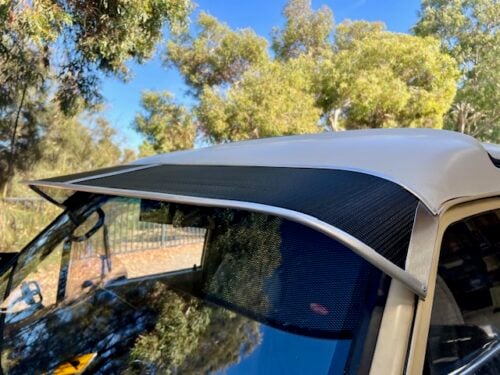

👀 The #1 Rule: Visibility
Visibility is the most important factor.
Australian laws are strict about anything that affects your windscreen view.
For comparison:
- Full windscreen tint = ❌ illegal
- Only a narrow top strip is allowed
✔ Legal visor setup:
- Mounted above the windscreen
- Blocks sunlight only
- Does not enter driver’s viewing area
❌ Illegal visor setup:
- Extends too far down
- Blocks traffic lights or road signs
- Reduces night or rain visibility
🗺️ State-Based Enforcement
Each state (NSW, VIC, QLD, WA, SA) enforces roadworthiness laws, but all follow the same principle:
❗ If it reduces safe driving visibility → it’s illegal
You may face:
- Defect notices
- Fines
- Failed inspections
🔍 External Visors vs Other Sun Protection
1. Windscreen tint
- Very restricted
- Only top strip allowed
2. Window shades
- Rear windows: usually allowed
- Front: restricted
- Windscreen: not allowed while driving
3. External sun visors
- Allowed if visibility is not affected
- Must be safely installed
⚠️ When Do Sun Visors Become Illegal?
Even a legal visor can become illegal if:
- Installed too low
- Modified or extended
- Loose or damaged
- Creates glare or distraction
💸 Can You Get Fined?
Yes.
If your visor:
- Obstructs vision
- Fails inspection
- Is deemed unsafe
👉 You may receive fines or be required to remove it.
🛠️ Best Practices to Stay Legal
Follow these guidelines:
✔ Use vehicle-specific designs
Ensures proper fit and compliance
✔ Keep above sightline
Never block the road view
✔ Avoid overly dark materials
Too much shading can reduce visibility
✔ Test in real conditions
Check:
- Daylight
- Night driving
- Rain
🚙 Are External Sun Visors Worth It?
Yes—when installed correctly.
Benefits include:
- Reduced glare
- Lower cabin heat
- Improved driving comfort
- Better visibility in bright conditions
They are especially popular on:
- 4WD vehicles
- Work utes
- Touring vehicles
📌 Final Verdict
✅ External car sun visors are legal in Australia—if they do not affect visibility or safety.
✔ Legal if:
- Properly installed
- Above driver sightline
- Roadworthy
❌ Illegal if:
- Obstruct view
- Extend into windscreen
- Reduce visibility
🧾 Bottom Line
External sun visors fall into a regulated but allowed category in Australia.
👉 Stay within visibility limits
👉 Use quality, well-fitted products
👉 Avoid DIY modifications
Do that—and you’ll stay compliant while enjoying better driving comfort.